I Guarantee a 24 Hour Response





What Happens When A Crash Involves A Driver Without Insurance?
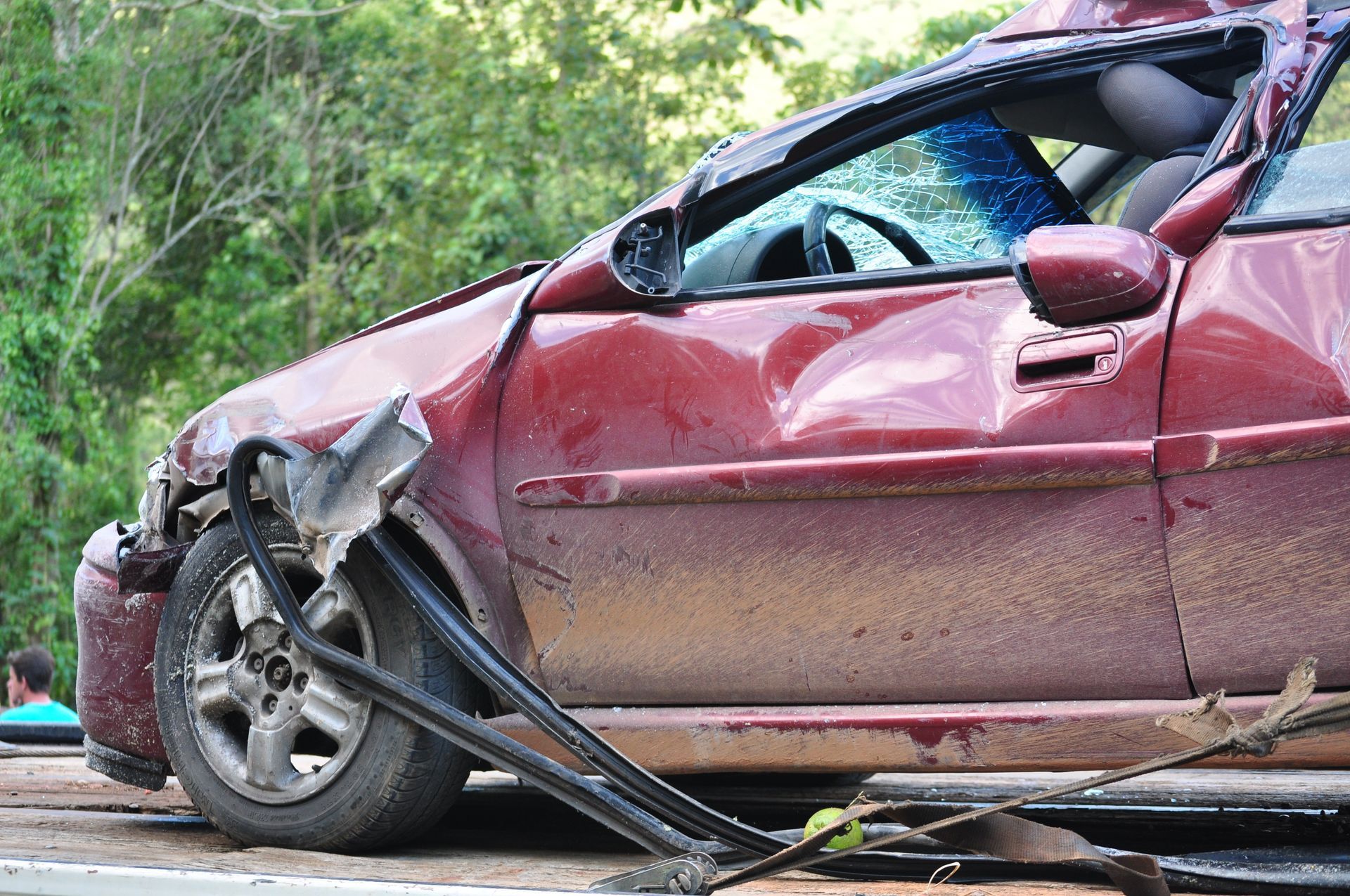
When a crash involves an uninsured driver, it can be quite complex for the insured person. Typically, your insurance company doesn't want to pay the claim and prefers the other driver's insurance to cover it. If you have collision insurance, your company will step up to pay for car repairs. However, without collision coverage, you might be out of luck and have to pay out of pocket. It's crucial to have collision insurance, especially since about one out of six accidents in Wisconsin are caused by uninsured drivers. For injury claims, uninsured or underinsured motorist coverage is essential to cover medical expenses and other damages.
How Does Uninsured Motorist Coverage Work In Wisconsin?
Uninsured motorist coverage acts as a safeguard when the at-fault driver lacks insurance. This coverage primarily addresses the bodily injury part of a claim, separate from car repairs, which are covered by collision or comprehensive insurance. It covers medical expenses, lost wages, and other related costs. Many people aren't aware of this coverage, but it's crucial, especially if dealing with severe injuries from an accident with an uninsured driver.
How Can People Check If They Have Uninsured Motorist Coverage?
Most people can check their insurance coverage through their insurance app, usually under the "coverages" or "declarations" section. Uninsured motorist coverage is typically abbreviated as UM/UIM, with common coverage amounts listed as $50,000, $100,000, or $250,000. It's essential to verify these details to ensure adequate protection in the event of an accident with an uninsured driver.
Where Does Uninsured Motorist Coverage Get Capped In Severe Injury Cases?
In Wisconsin, the cap on uninsured motorist coverage is the policy limit minus any coverage the other driver may have. For example, if the other driver has $100,000 in coverage and you have $100,000 in uninsured coverage, you effectively have $100,000 of total coverage due to an offset. It's important to negotiate medical bills and insurance claims effectively to maximize the available funds for severe injuries.
Do Laws Regarding Uninsured Motorist Coverage Change Often?
While laws can theoretically change, they don't often do so quickly. Organizations like the Wisconsin Trial Lawyers Association advocate for changes to make coverage more consumer-friendly. Many consumers are unaware of the offsets in their policies, and efforts are ongoing to enhance transparency and protection.
How Do You Investigate The Insurance Situation In An Accident Case?
Investigating insurance coverage involves asking specific questions to insurance companies and checking for umbrella policies that might extend coverage. It's crucial to confirm if umbrella policies cover uninsured or underinsured motorist claims, as this can significantly impact the available compensation in an accident case.
How Do Insurance Companies Handle Uninsured And Underinsured Motorist Claims Differently?
In theory, your insurance company should treat your uninsured or underinsured motorist claim fairly, as they owe you a fiduciary duty. However, in practice, they often push claims close to trial before offering a fair settlement, especially in large claims. This can border on bad faith, as they should honor the contract without unnecessary hurdles.
What Happens To Uninsured Or Underinsured Drivers After An Accident?
Typically, uninsured or underinsured drivers face no significant repercussions unless a lawsuit is filed against them. However, if they have some insurance or assets, you may pursue a claim against them, although recovery is often limited. It's advisable to focus on your insurance company's coverage and let them pursue any additional compensation if applicable.
What Should Someone Do If They Find Out The Other Driver Has Insufficient Insurance?
Firstly, check your policy for uninsured or underinsured motorist coverage that could cover your damages. Investigate thoroughly to confirm the other driver's insurance status, as they might not be truthful about their coverage. Use services to verify insurance information before accepting their word, ensuring you explore all possible avenues for compensation.