I Guarantee a 24 Hour Response

PUT ME TO THE TEST
By Paul Benson February 1, 2026
Why Is It Crucial To Reach Out To A Lawyer Soon After An Accident? Contacting a lawyer promptly after an accident is vital to preserve crucial evidence from the accident scene. Evidence like skid marks, surveillance videos, and witness statements can disappear quickly. By involving a lawyer early on, you ensure that all necessary evidence is collected and preserved, which can significantly impact the outcome of your case. Why Do Some People Delay Contacting A Lawyer After An Accident? Many individuals delay contacting a lawyer due to the misconception that they are not "lawsuit people." However, when faced with insurance companies refusing to compensate them fairly, they realize the need to protect their rights. By waiting to involve a lawyer, important evidence may be lost, such as video footage or witness accounts, which can weaken their case significantly. What Are The Potential Problems Individuals Face When Insurance Adjusters Reach Out Early? Insurance adjusters often aim to elicit statements that downplay the severity of injuries or shift blame away from their policyholders. By recording conversations and obtaining seemingly innocuous statements, they can later use discrepancies to undermine a claim. Consulting with a lawyer before engaging with insurance adjusters is crucial to avoid inadvertently harming your case. What Key Evidence Can Be Lost If Individuals Wait Too Long After An Accident To Seek Legal Counsel? Delaying legal representation can result in the loss of crucial evidence such as video footage, debris placement at the scene, and witness recollections. Additionally, timely medical documentation is essential for accurately assessing and documenting injuries. Without early involvement, individuals risk missing out on vital evidence that could strengthen their case. How Does The Timing Of Medical Bills And Documentation Impact An Insurance Company's Evaluation Of A Claim? In Wisconsin, the timing of medical bills and documentation is critical due to the collateral source rule. Health insurance coverage may pay medical bills upfront, but individuals can still recover the full amount from the at-fault party's insurance. However, delays or discrepancies in submitting bills can lead to reduced compensation and financial risks for the injured party. What Tactics Do Insurance Companies Employ To Settle Claims Quickly Without Individuals Fully Understanding The Implications? Insurance companies may use tactics like sending blank medical releases or offering immediate settlement checks to expedite claim resolutions. Individuals may unknowingly sign away their rights or settle their claims prematurely, leading to potential long-term repercussions. It is essential to seek legal guidance to navigate these tactics and ensure fair compensation for injuries. What Steps Should Individuals Take After A Minor Accident To Protect Their Legal Rights? After a minor accident, individuals should document the scene thoroughly, report the incident to their insurance company, and consider seeking a legal consultation. It is crucial to accurately relay their version of events to the police, report any injuries promptly, and consult with a lawyer to understand their rights and potential legal options. Is It Advisable For Individuals To Seek Medical Evaluation After A Minor Accident Even If They Feel Only Minor Discomfort? Yes, it is recommended for individuals to undergo a medical evaluation after a minor accident, even if they experience minor discomfort. Prompt medical assessment can uncover hidden injuries that may worsen over time if left untreated. By seeking timely medical attention, individuals protect their health and establish a documented record of injuries for potential legal claims. What Are Some Early Moves Insurance Companies Make That Individuals Should Be Cautious About Following An Accident? Insurance companies may attempt to obtain blanket medical releases or offer immediate settlement checks to expedite claims processing. These tactics can lead to individuals inadvertently signing away their rights or settling for inadequate compensation. It is crucial to seek legal guidance to navigate such tactics and protect one's legal rights effectively.
By Paul Benson November 14, 2025
Understanding Bicycle Accident Laws in Wisconsin: Rights, Liability, and What Cyclists Should Know
By Paul Benson November 14, 2025
Insurance Bad Faith in Wisconsin: What to Do When Your Insurance Company Treats You Unfairly
By Paul Benson November 12, 2025
Slip and Fall Accidents in Wisconsin: What Property Owners Are Really Responsible For
By Paul Benson November 12, 2025
What Really Happens After a Car Crash in Wisconsin: How to Protect Yourself and Your Rights
By Paul Benson November 12, 2025
Understanding Wisconsin’s Direct Action Statute: Who You’re Really Suing After an Accident
Show More
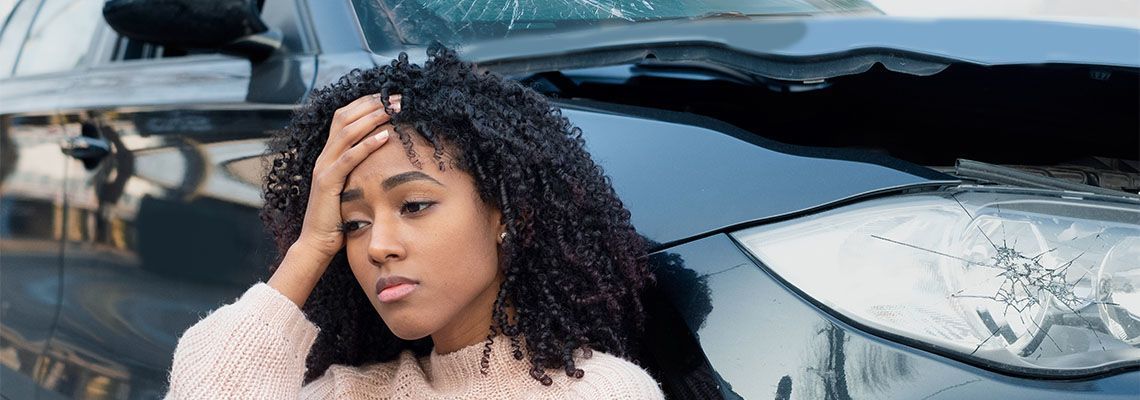
A woman is standing in front of a damaged car.

Are Parents Liable for an Accident Caused by Their Teen?

Obtaining a driver’s license is an exciting time for every teenager in the United States. However, what you need to understand is that young drivers are not adults yet, which is why parents can be legally responsible when their teenage children cause an accident on the road. Of course, a parent’s liability for an accident caused by their child depends on many factors, including the jurisdiction and the facts of each individual case. 


If your teenage child has been involved in an accident and you want to know whether or not you can be held liable for it, contact The Paul Benson Law Firm. As a personal injury attorney, I can explain how parental liability works in the state of Wisconsin. From my office in Janesville, Wisconsin, I am proud to serve clients in Beloit and the rest of Rock County. 

Liability for Accidents in Wisconsin

Before we delve into the topic of parental liability, you need to understand how liability works in general. Wisconsin is a tort state, which means injured victims can sue the at-fault party for their damages and losses. For example, when a car accident occurs, the injured victim can file a third-party insurance claim against the at-fault driver’s insurance provider to obtain compensation. In some cases (e.g., when the at-fault does not have insurance or a settlement is not reached), it may be more appropriate to file a lawsuit against the at-fault driver. 

Are Parents Liable for an Accident Caused by Their Teen?

In Wisconsin, you can get a learner’s permit at the age of 15 as long as you are sponsored by an adult. Once a teen turns 16, they can obtain a driver’s license through sponsorship by an adult. The only exception to the sponsorship requirement is if the teen lives on their own. 


Generally speaking, being a sponsor makes the sponsor (usually the teen’s parent) responsible in the event the teenager is at fault for causing a car crash because, under Wisconsin law, parents who sign the teen’s driver’s license application assume joint and several liability for any negligent or willful conduct of their child when it comes to operating a motor vehicle. 


Under Wisconsin law, the sponsor’s liability is capped at $300,000 or at the limit of the applicable insurance coverage, whichever is greater. 

Will Insurance Cover the Expenses?

Most of the time, parents add a teenage driver to their existing auto insurance policy once their child obtains a driver’s license. Liability coverage follows the driver no matter who is behind the wheel of the vehicle, which means it can cover the damages caused to other parties. 


However, it often happens that the insurance will not cover all of the damages caused by the teen driver, which could potentially make the parents liable. If a teen driver causes an accident when they are not covered on the policy or they do not have a valid driver’s license, there will be no insurance coverage. When the expenses exceed the policy limits, the parent may also be held responsible for the remaining costs. 

Can a Parent Be Sued in a Personal Injury Lawsuit?

Generally, yes. A parent can be sued in a personal injury lawsuit if their child causes someone’s injuries. However, in order to sue a parent for their child’s misconduct in a personal injury lawsuit, the plaintiff must prove negligence by establishing the following elements: 


  1. The parent allowed their child to drive or access the vehicle; 
  2. The parent knew or should have known about the teen driver’s irresponsible driving behaviors; 
  3. The teen driver was responsible for the accident; and 
  4. The plaintiff suffered damages and losses because of the teen driver’s actions. 


In other words, just because the parent owns the car the child was driving at the time of the accident does not automatically make the parent liable for the accident. The injured party may still need to prove the above-mentioned elements in order to obtain compensation. 

Strong Legal Representation

If you are a parent whose child has recently been involved in an accident, it’s important to reach out to legal counsel. I can explain whether or not you can be held responsible as a parent and help strategize a path forward. At The Paul Benson Law Firm, I represent drivers of all ages—as well as their parents—in personal injury cases, whether they are the victim or the liable party. Reach out to my office today to set up a consultation.