I Guarantee a 24 Hour Response

Information You Should Ask Witnesses
Under Wisconsin law, personal injury and accident victims are often entitled to pursue damages for their negligent injuries through an insurance claim or lawsuit. Essentially, seeking damages after a negligent accident requires proving fault and establishing liability. However, to prove negligence, you must provide witness statements and testimonies and other kinds of evidence and documentation that support your claims.
At The Paul Benson Law Firm, I have the diligence and expertise to assist and represent clients in their personal injury and accident cases. As a practiced Wisconsin personal injury attorney, I can examine every surrounding detail of your unique situation, gather witnesses' statements and factual evidence to support your case, and help pursue your deserved financial justice. My firm proudly serves clients across Janesville, Beloit, and Rock County, Wisconsin.
Car Accident Claims in Wisconsin
Wisconsin is an at-fault state for traffic accidents. According to the state's fault system, the driver who caused the traffic crash (the at-fault party) will be held civilly and financially responsible for injuries, property damages, and other accident-related losses sustained by the victims. To seek financial compensation, the plaintiff can proceed by:
- Filing a first-party claim with their own insurance carrier.
- Filing a third-party claim against the at-fault driver's insurer.
- Filing a personal injury lawsuit in civil court against the at-fault driver.
Additionally, the statute of limitations for personal injury claims in Wisconsin, including car accidents, is
three (3) years from the date the traffic collision occurred. This means that the claimant must bring a civil action seeking damages within three years of the accident or injury.
Gathering Information After an Accident
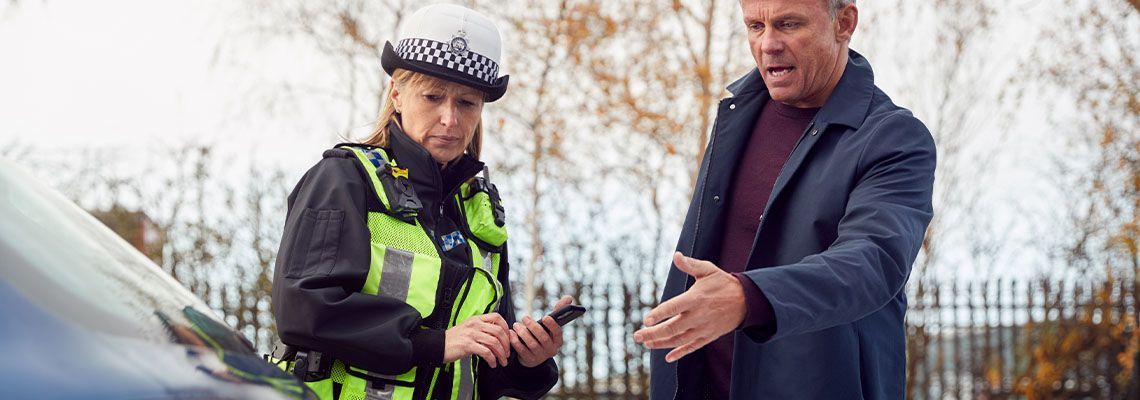
After an accident, you need to collect and document vital evidence, facts, and documentation about the incident. Essentially, you need as much evidence as possible to prove negligence, establish liability, and back your claims. Here are some of the things you should do to gather information after an accident:
- Exchange relevant information with the other drivers involved, including their names, home addresses, contact details, insurance information, and vehicle registration.
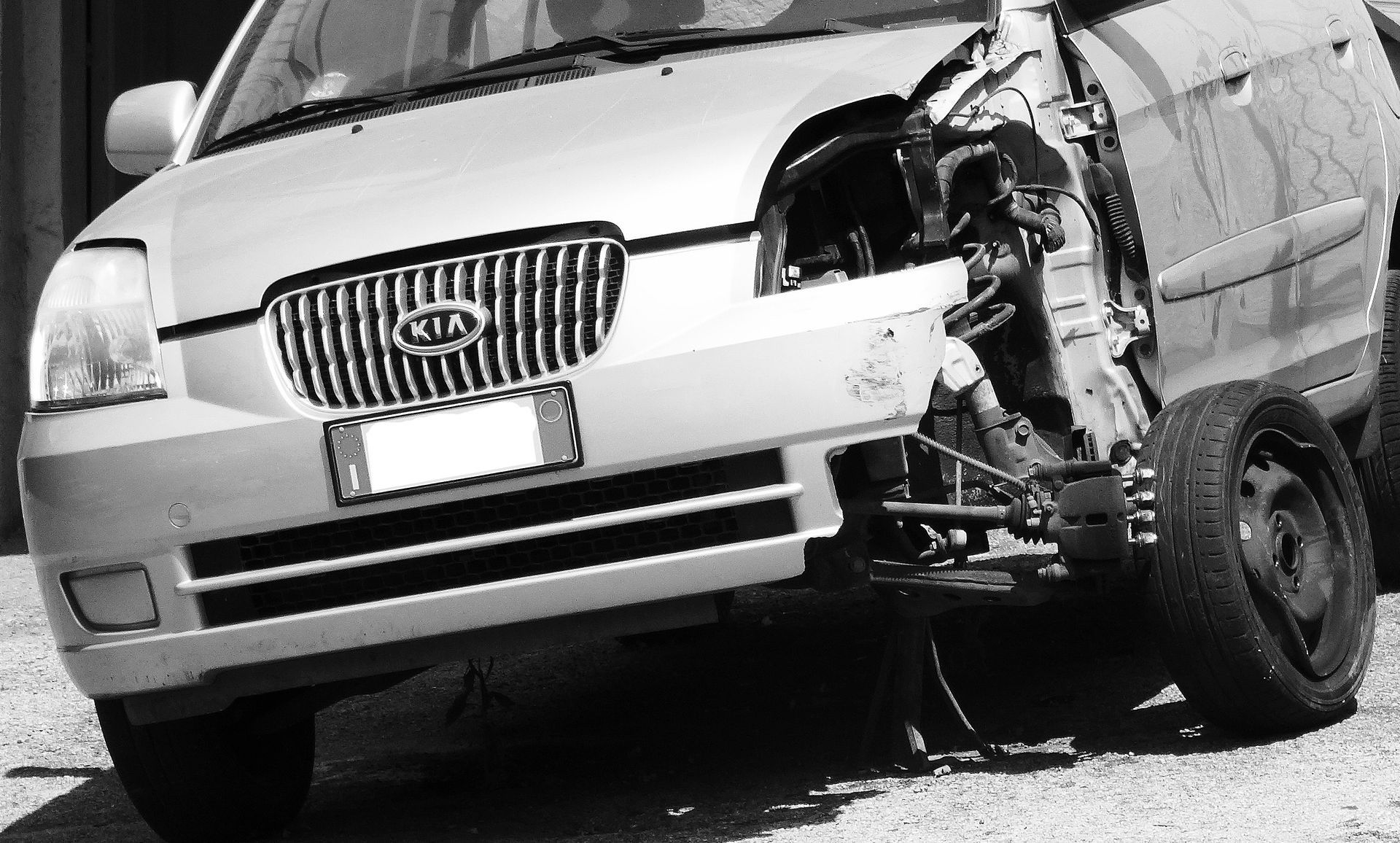
- Take pictures of your vehicle and the accident scene from different angles before the cars are removed.
- Collect statements and testimonies from eyewitnesses.
- Collect the contact information of eyewitnesses to reach out to them later.
- Collect and double-check the police report to ensure that the report is accurate.
- File injury claims with your insurer or the at-fault driver's insurance carrier to recover damages.
In addition, you may need to make inquiries from the accident witnesses to gather as much direct information as possible about the incident.
Questions to Ask Accident Witnesses
Here are some vital questions to ask the eyewitnesses when talking to them:
- When did you get to the scene of the auto crash?
- Can you describe how the auto collision happened in your own words?
- Who was the first person to get out of their vehicle?
- Can you record your observations and sign a statement?
- What were the situation or the road and weather like before the crash?
- What are the things you heard or saw?
- Do you know other eyewitnesses with first-hand or additional information about the incident?
- Were you close by or far away from the accident scene? Were you able to get a clearer view?
- Did you notice whether any of the drivers were distracted, texting, speeding, eating, or reckless?
- Were you alone or with another person when the incident happened?
- Do you know any of the drivers or injured persons?
- Do you have other information about the incident that you want to share?
- Can you describe what the accident victims or people around did following the crash?
- Can you make a statement to the police?
Furthermore, ensure that you properly and accurately document all testimonies, statements, and findings gathered from the eyewitnesses. If the stories change down the line, you can easily refer to your initial findings.
Additional Information to Gather From Witnesses
Also, accident witnesses usually have direct information regarding how the incident occurred, what they heard or saw, or the motorist who was probably responsible for the crash. Here is some additional information to gather from the eyewitness:
- Ask whether they have accident-related knowledge or expertise that can help. Some accident witnesses can assist with the medical, legal, and mechanical aspects of your case.
- Collect the names, home addresses, and contact details of all eyewitnesses in case you or your lawyer want to get in touch with them for further information about the incident.
- Lastly, ask whether the eyewitness knows or is related to any of the accident victims. This will help avoid testimonies and statements from eyewitnesses who may be biased or have a conflict of interest.
A seasoned lawyer can investigate your case thoroughly, help gather all the witness statements and testimonies you need, and work diligently with eyewitnesses to, striving to get a successful outcome in your claims.
Reach Out for Skilled Representation
Witness testimonies and statements are very crucial to prove fault and establish liability in your accident claims. Contact me at The Paul Benson Law Firm today to schedule a simple case evaluation with a dedicated car accident attorney. I will fight vigorously for your best interests, seek to prove negligence, and help you recover the maximum possible damages for your injuries. My firm proudly serves clients across Janesville, Beloit, and Rock County, Wisconsin.