I Guarantee a 24 Hour Response
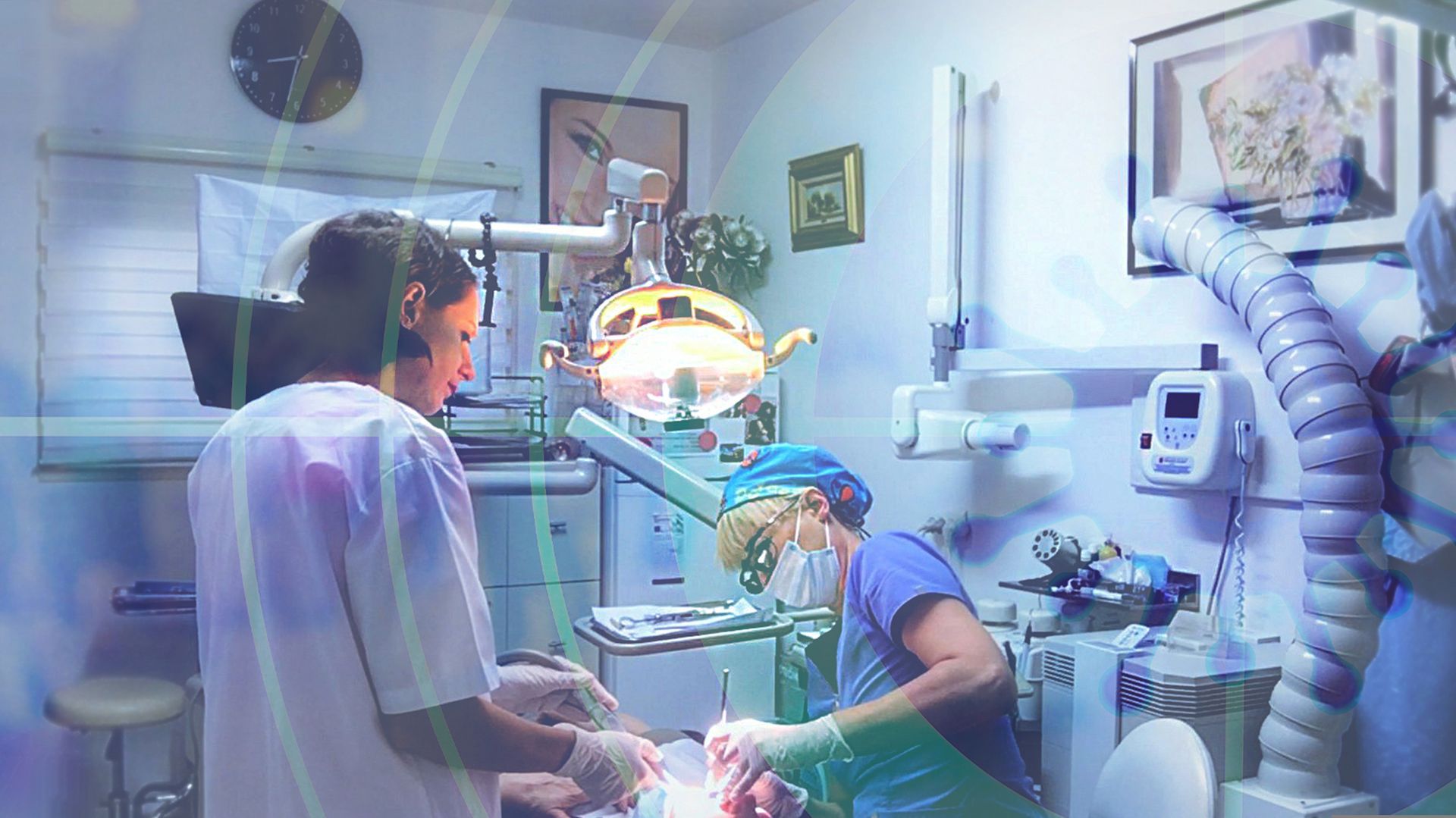






What Training Is Required for Nursing Home Staff?
In 2019, there were 21,236 residents in Wisconsin nursing facilities. As the population ages, that number will continue to grow, as will the number of concerns families have about the safety, security, and care of loved ones living in those facilities. How can you determine whether your loved one is being cared for with respect by people competent to deliver that care?
As a trial lawyer, I help people whose loved ones have been neglected or injured by nursing home staff get justice. That starts with knowing how staff should have been trained and recognizing when they have failed to provide their duty of care.
The Paul Benson Law Firm serves clients in Janesville, Beloit, and Rock County Wisconsin.
Federal and State Laws
Nursing homes accept payment from Medicare and Medicaid which makes them subject to both state and federal laws, including requirements mandated by the Health Care Financing Administration.
The federal Nursing Home Reform Act established a Bill of Rights for nursing home residents and provides enforcement for failure to deliver a standard quality of care and to provide certain basic services. Federal Code 483.95 requires facilities to “develop, implement, and maintain an effective training program for all new and existing staff.” Basic training areas include communication; resident’s rights; abuse, neglect, and exploitation; quality assurance and performance improvement; infection control; and, compliance and ethics.
Wisconsin law requires that staff are oriented to the nursing home facility and its policies, are advised of resident’s rights, and are assigned only those duties for which they have been trained.
Medicare Requirements for Nursing Assistants
The Nursing Home Reform Act requires that nursing assistants work no longer than four months unless they receive at least 75 hours of training, are determined to be competent in care delivery, and receive certification as a nursing assistant as a result. While the COVID-19 crisis spurred the Centers for Medicare and Medicaid Services (CMS) to waive the four-month time limit on certification, CMS did not waive competency requirements.
Where There is a Lack of Training
Nursing homes require high levels of staffing due to the nature of long-term care, much higher than hospitals, for example. So, why are so many negligent in the care they provide? There are a few reasons:
- Nursing homes are regulated by significantly fewer requirements than hospitals are.
- Few studies have been done about care delivery in the long-term healthcare setting. That means few best practices have been documented which could spur more specific and more rigorous regulations.
- Standards for nursing homes are broad and nonspecific, providing individual homes a great deal of latitude in determining what is sufficient care. For example, federal law requires nursing homes to post the number of licensed and unlicensed nursing staff daily for each shift. But the law prescribes no specific staffing-level requirements.
- Staff training fails to focus on prevalent resident issues, including dementia, depression, aggression, and some residents’ inability to communicate with others. Marginally trained nursing assistants are ill-prepared to deliver quality care to patients whose physical and mental conditions make them more difficult to care for in the first place.
- Nursing homes are primarily staffed by the lowest trained professionals, like nursing assistants. Physicians, serving as medical directors, are rarely on-site and have little interaction with nursing assistants. Furthermore, the ratio of nurses with advanced training and certification, such as RNs, to nursing assistants is incredibly skewed.
When a Lack of Training Leads to Negligence
The quality of care delivered in a nursing home setting is the responsibility of the individual caregivers, their supervisors, and the facility owners/operators who are accountable for ensuring proper training and supervision of all staff. All are legally liable should a nursing assistant neglect or harm your loved one.
Negligence is doing something or failing to do something that a prudent, careful, and reasonable nurse would have done under the same situation. It’s a deviation from the normal standard of care.
Getting Help From a Personal Injury Attorney
Negligence is often difficult to prove. You must rely on medical records that might not be complete. Nursing staff performance reviews are inaccessible unless a lawsuit is filed. And in nursing homes, in particular, there are rarely witnesses to the negligence.
To prove negligent care of your loved one, you need an attorney knowledgeable in federal and state laws and experienced with investigating claims. The Paul Benson Law Firm offers aggressive, thoughtful, and experienced representation for clients and their loved ones in Janesville and Beloit, Wisconsin. Consultations are free, so call today.